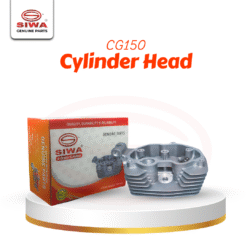
-
×
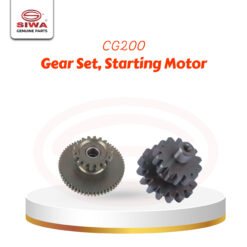 Gear Set, Starting Motor
1 × ₨ 635
Gear Set, Starting Motor
1 × ₨ 635

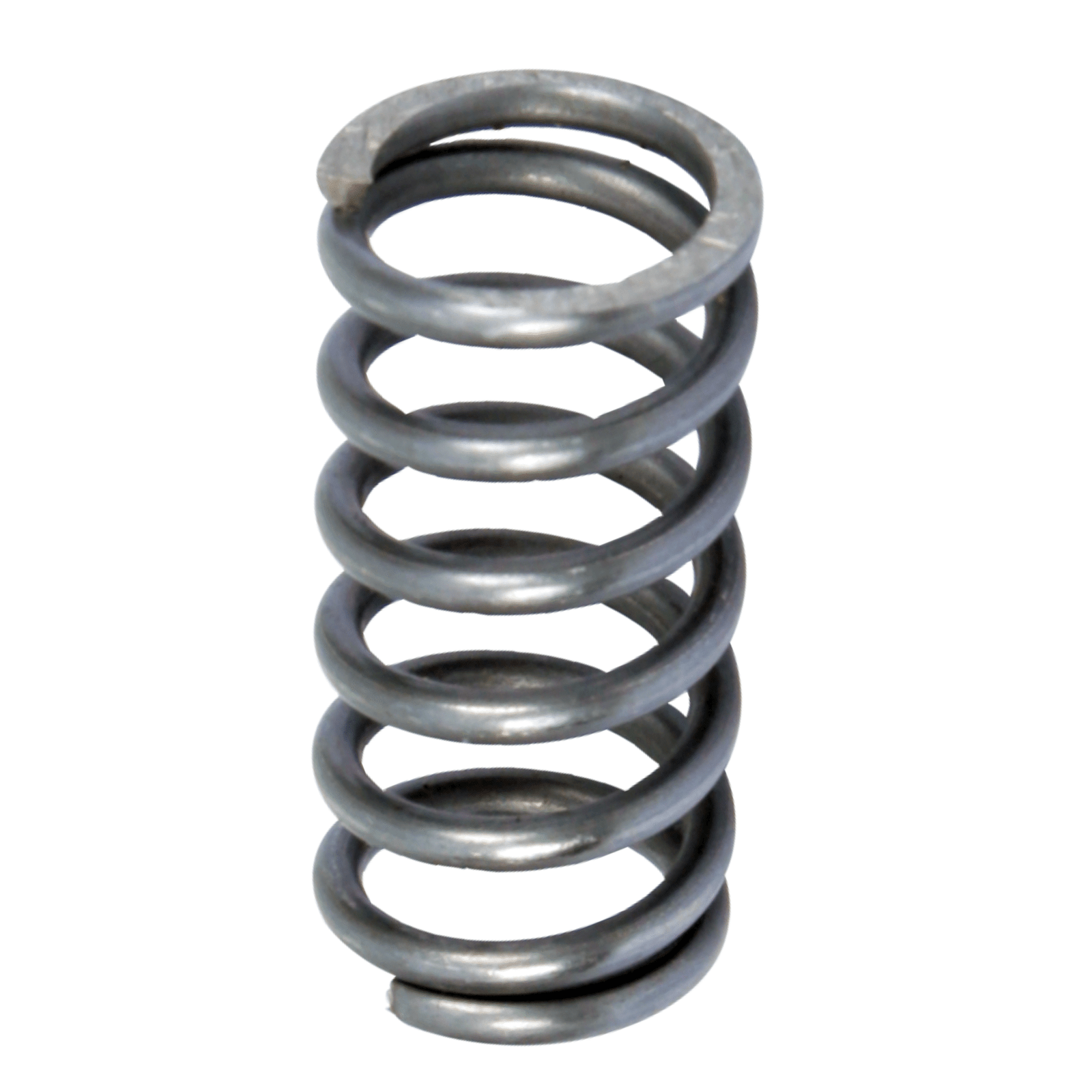

Spring

₨ 20
- Springs contribute to energy efficiency by storing and releasing mechanical energy as needed, reducing the need for external power sources in systems where they are employed.
- In addition to storing energy, some springs are designed to absorb shocks and vibrations, damping oscillations and providing smoother operation in machinery and equipment.
- Springs offer high energy storage density in a compact form factor, making them suitable for applications with limited space or weight constraints.
Elasticity and Resilience:
Springs exhibit elasticity, allowing them to deform under load and return to their original shape when the load is removed. This resilience enables them to absorb and store mechanical energy efficiently.
Versatility in Applications:
Springs find applications in numerous industries, including automotive, aerospace, manufacturing, construction, and more, due to their ability to provide support, cushioning, or control motion in diverse systems.
Variety of Types and Designs:
Springs come in various types, such as compression springs, extension springs, torsion springs, and more, each designed to suit specific load requirements, space constraints, and functional needs.
Load-Bearing Capacity:
Springs are designed to withstand and distribute loads effectively, ensuring reliable performance and longevity even under heavy or repetitive loading conditions.
Precision Manufacturing:
Manufactured with precision engineering techniques, springs are produced to tight tolerances, ensuring consistent performance and reliability across individual units.
Material Selection:
Springs are made from a wide range of materials, including high-carbon steel, stainless steel, alloys, and non-metallic materials like plastics and rubber, selected based on factors such as strength, corrosion resistance, and temperature resistance.
Customization Options:
Springs can be customized in terms of size, shape, material, and load characteristics to meet specific application requirements, providing flexibility and adaptability in design.
Related products

200cc Rickshaw Parts
₨ 950
This product has multiple variants. The options may be chosen on the product page